Healthy, Realistic Smile Goals
Cosmetic Dentistry in Orlando, FL
You may notice the same tooth in every photo, hide your smile during conversation, or simply want to understand whether a visible concern can be changed. Cosmetic dentistry begins with that honest description—not a preset idea of what your smile should look like.

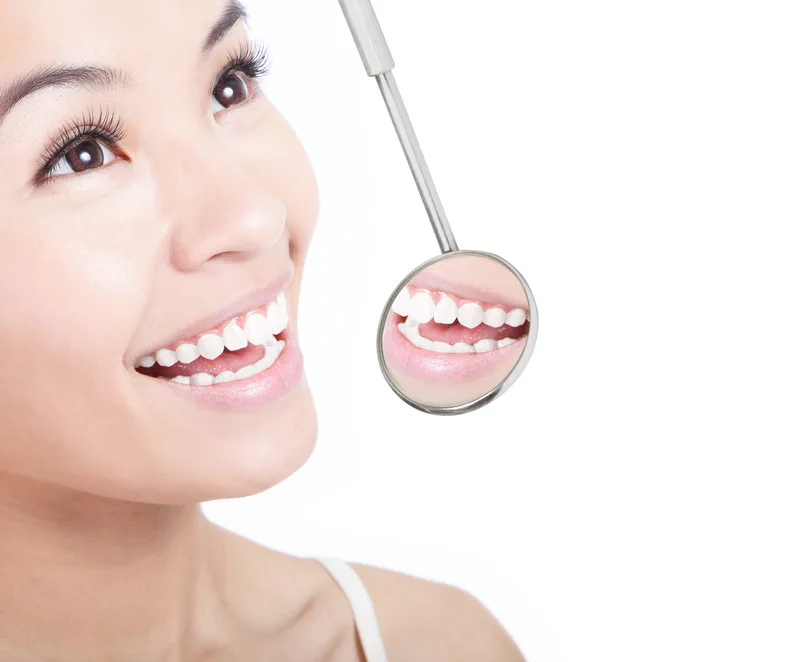
Illustrative stock photography.
Dr. Maxine Moncrieffe provides cosmetic dentistry in Orlando as part of the practice’s broader general and restorative care. A healthy, realistic plan should protect tooth structure while addressing the change that matters to you.
What to Know
Start With What You Want to Change
Instead of choosing a procedure name first, describe the concern:
- A tooth looks chipped or worn
- Color or staining draws your attention
- A gap affects the way you smile
- One tooth looks different in shape or size
- Old dental work no longer looks the way you want
- Missing or damaged teeth affect the overall appearance
These concerns can have different causes and may involve general, restorative, prosthetic, or cosmetic care. An evaluation helps separate an appearance issue from a health or structural problem that needs attention first.
What to Know
Health Before Appearance
A cosmetic change should not hide active disease or ignore a weakened tooth. Dr. Moncrieffe may need to consider decay, cracks, wear, bite forces, gum health, or existing restorations before discussing an appearance-focused plan.
This is especially important when the visible concern involves a crown, bridge, missing tooth, or tooth that has had prior treatment. The best-looking option still needs to work in everyday life.
What to Know
What Cosmetic Planning Should Include
Your Priorities
Point to the exact tooth or feature that bothers you. Explain whether your goal is subtle improvement or a more noticeable change. Bring a photo only if it helps communicate your preference; it should not create a promise that another person’s result can be copied.
The Condition of the Teeth
Ask what Dr. Moncrieffe sees and whether the teeth are healthy enough for the option being considered. A tooth that is damaged may need restorative care rather than a cosmetic-only response.
The Amount of Change
Different concerns call for different levels of treatment. Start with the change you want to make, then ask which options the practice provides and which may fit the health of your teeth.
Maintenance and Limits
Ask how the result may change over time, what daily care is needed, and whether habits or bite forces could affect it. Avoid terms such as “permanent,” “flawless,” or “guaranteed.”
What to Know
Cosmetic Care and Restorative Care Often Overlap
A crown can restore a damaged tooth while also changing its visible shape. A bridge, denture, or some implant treatment can replace missing teeth and affect the appearance of a smile. General dentistry may identify concerns that influence cosmetic planning.
Because these services are available within the practice, the conversation can account for health, function, and appearance together. That does not mean every cosmetic need can be completed in one visit or with one treatment.
What to Know
A Comfortable Way to Talk About Your Smile
Appearance concerns can feel personal. You should be able to describe what bothers you without feeling judged or pushed toward a larger change than you want.
Dr. Moncrieffe’s voice is warm and plainspoken. Ask for the advantages, limits, and expected steps of any option that applies. If you are nervous about treatment, include comfort in the planning conversation from the beginning.
What to Know
Talk About the Change That Matters to You
You do not need to arrive with a procedure selected. Show Dr. Moncrieffe what you notice, ask what is healthy and realistic, and decide only after the options are clear.
A Little More at Ease
A Smile That Feels Like You
Start with what you want to change, then talk through what is healthy and realistic for your teeth. Your goals deserve a clear conversation.
Common Questions
Frequently Asked Questions
Which Cosmetic Treatments Are Available?
Call the office with your specific concern and ask which cosmetic options are available and whether one may be appropriate for your teeth.
Can Cosmetic Care Fix a Chipped or Worn Tooth?
Possibly, depending on the amount of damage, tooth health, and bite. The first step is determining whether the tooth needs restorative protection.
Will My Result Look Natural?
Appearance is personal and outcomes vary. Explain what “natural” means to you and ask what is realistic for the tooth and treatment being considered.
Can I Change Just One Tooth?
Sometimes a concern is limited to one tooth, but neighboring teeth and the way the bite functions may affect the plan. An evaluation is necessary.
How Long Will Cosmetic Treatment Take?
Timing depends on the option and whether health or restorative needs come first. Ask how many steps the recommended plan may involve.
Does Insurance Cover Cosmetic Dentistry?
Coverage varies. Ask the office and your insurer about the specific recommended treatment.
A Clear Next Step
Talk With Dr. Moncrieffe About What You Need
Call with your questions or request an appointment online when you are ready.