
Clear Answers About the Tooth
Tooth Extractions in Orlando, FL
Hearing that a tooth may need to come out can raise immediate questions about comfort, healing, and what happens to the space afterward. Dr. Maxine Moncrieffe provides extractions in Orlando and takes a calm, explanatory approach to the decision.

Illustrative stock photography.
An extraction should begin with a clear reason. Ask what has changed in the tooth, whether it can be preserved, and what factors make removal the recommended next step for you.
What to Know
When Removing a Tooth May Be Considered
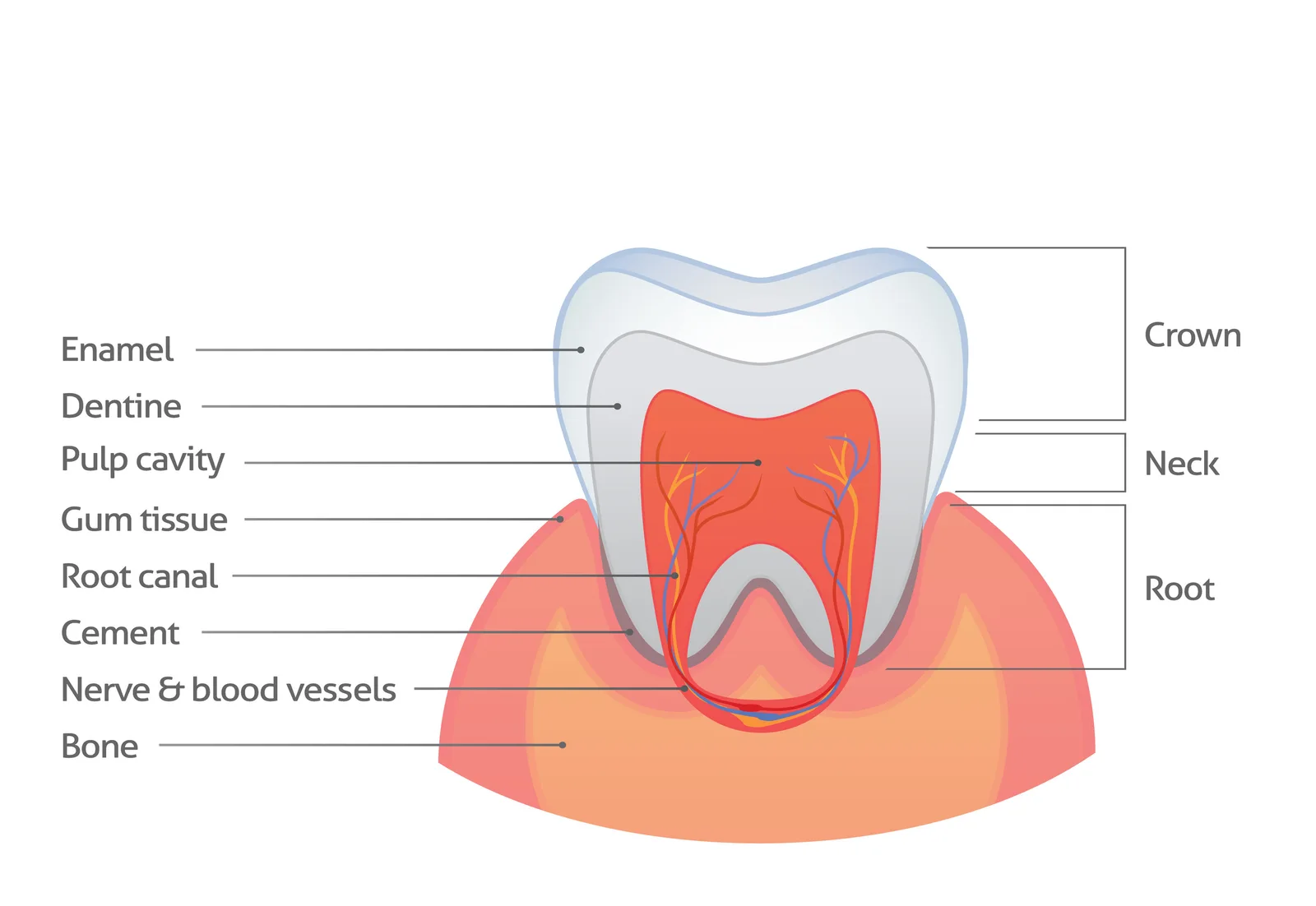
A tooth may be evaluated for extraction when it is badly damaged, infected, loose, or otherwise unable to function predictably. The exact reason matters because pain alone does not tell you whether the tooth needs root canal treatment, restoration, removal, or a different response.
Tell the team about pain, swelling, sensitivity, a broken tooth, or a change in your bite. If symptoms are severe or changing quickly, call the office rather than relying on an online description.
What to Know
Ask Whether the Tooth Can Be Preserved
Before an extraction, it is reasonable to ask:
- What is wrong with the tooth?
- Can the tooth be restored or treated another way?
- What are the tradeoffs of keeping it versus removing it?
- Does the timing of care matter?
- What may happen if treatment is delayed?
- Will the missing tooth need to be replaced?
Sometimes preserving a tooth is possible. Sometimes removal is the healthier or more predictable choice. That judgment depends on the condition of the tooth and surrounding structures, not a general rule.
What to Know
What to Expect From the Process
Evaluation
Dr. Moncrieffe first needs to understand the tooth, your symptoms, and relevant health information. Appropriate images may be needed to evaluate the roots and surrounding area.
Explanation and Consent
You should hear why the extraction is recommended, what the procedure may involve, and what instructions apply afterward. If you are anxious, ask for the explanation in smaller steps and tell the team what concerns you most.
Removal
The details vary with the tooth and its condition. Ask which technique, comfort measures, and appointment steps would apply to your situation.
Healing
Follow the instructions given for your actual procedure. Call the office if you are unsure about what you can eat, how to care for the area, or which symptoms should prompt a follow-up. Generic website instructions should never replace the directions provided for your case.
What to Know
Planning for the Space Afterward
Not every extracted tooth is replaced in the same way, and not every space requires the same decision. Depending on the location and your needs, the conversation may include a bridge, denture, some implant treatment, or another plan.
Ask whether replacement matters for chewing, appearance, nearby teeth, or future treatment. When replacement is appropriate, timing may depend on healing and the condition of the area.
What to Know
A Calmer Conversation for Dental Anxiety
Fear can make an extraction feel larger than the procedure itself. Tell the team if you have had a difficult experience, are worried about discomfort, or need more explanation before moving forward. Real reviewers often mention patience, reassurance, and being talked through care at this office.
Those reviews do not guarantee an identical experience, but they reinforce a useful point: your anxiety is relevant information. It belongs in the plan.
What to Know
Get a Clear Answer About the Tooth
If a tooth is painful, damaged, or has already been recommended for removal, call the office. Bring any information you have and ask what can be done in the practice.
Common Questions
Frequently Asked Questions
How Do I Know Whether I Need an Extraction?
An examination and appropriate images help determine whether the tooth can be preserved or whether removal should be considered. Pain alone cannot answer that question.
Can a Root Canal Save the Tooth Instead?
Root canal treatment may be considered for some inflamed or infected teeth when enough healthy structure remains. Dr. Moncrieffe can explain whether that option applies after an evaluation.
Will the Extraction Hurt?
Comfort measures and expectations depend on the procedure and your condition. Ask the office what will apply to your appointment and when to raise any concerns.
How Long Does Healing Take?
Healing varies by person and procedure. Follow the specific instructions you receive and contact the office with concerns rather than relying on a generic timeline.
Will I Need a Replacement Tooth?
That depends on the tooth, location, bite, remaining teeth, and your priorities. Ask about bridges, dentures, some implant treatment, or other appropriate options.
What Should I Do if I Am Very Nervous?
Tell the team when scheduling and before treatment. Ask to hear the steps in advance and clarify what options are available to support comfort.
A Clear Next Step
Talk With Dr. Moncrieffe About What You Need
Call with your questions or request an appointment online when you are ready.