
Preserve the Tooth When Possible
Root Canal Treatment in Orlando, FL
Tooth pain can make it hard to think about anything else. Root canal treatment may help preserve a tooth when the tissue inside becomes inflamed or infected, but the right first step is finding the source of the problem.

Illustrative stock photography.
Dr. Maxine Moncrieffe provides root canal treatment in Orlando as part of the practice’s broad in-office care. She can explain what she sees, whether the tooth may be saved, and what the next step may involve.
What to Know
Why the Inside of a Tooth May Need Treatment
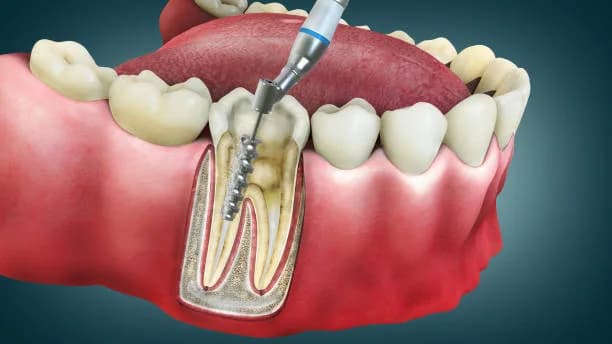
The hard outer parts of a tooth surround softer tissue inside. Deep decay, a crack, repeated dental work, or an injury can affect that tissue. When the inside of the tooth becomes inflamed or infected, treatment may be considered to remove the affected tissue and preserve the remaining tooth structure.
Symptoms can vary. Some people notice lingering sensitivity, pain when biting, swelling, or a tooth that changes color. Others have few obvious symptoms. These signs can also have other causes, so an examination and appropriate images are important.
What to Know
Preserving the Tooth When Possible
Keeping a natural tooth can support chewing and help avoid an empty space, but preservation is not always possible. Dr. Moncrieffe needs to consider how much sound tooth structure remains, the condition around the root, and whether the tooth can be restored after treatment.
Ask two direct questions:
- Can this tooth be treated and restored predictably?
- If not, what would extraction and replacement planning involve?
Understanding both paths can make the decision clearer.
What to Know
What to Expect
Evaluation
Describe where you feel discomfort, when it started, and what triggers it. Dr. Moncrieffe may examine the tooth, test it, and review images to determine whether the tissue inside is the likely source.
Root Canal Treatment
The purpose of root canal treatment is to address the affected tissue inside the tooth and prepare the space to be sealed. The exact steps, timing, and comfort measures depend on the tooth and your condition. Ask what the recommended approach would involve before treatment begins.
Restoring the Tooth
A tooth may need a final restoration after root canal treatment so it can function and remain protected. Crowns are among the services offered in the practice, but whether a crown or another restoration is appropriate depends on the tooth.
Follow-Up
Use the instructions provided for your appointment. If you have questions about soreness, eating, medication, or the timing of the final restoration, call the office for guidance specific to your case.
What to Know
Comfort for an Anxious Patient
The words “root canal” can create fear before the dentist has even explained the condition. Ask Dr. Moncrieffe to slow the conversation down. Seeing the tooth on an image and understanding why treatment is being discussed can replace some of that uncertainty with useful information.
Patients’ real Google reviews often mention reassurance and step-by-step explanations. Your experience may be different, but you can ask for the same kind of clarity: what is happening, what the treatment is meant to do, and when you can pause to ask a question.
What to Know
Root Canal or Extraction?
Both options address different realities. Root canal treatment aims to preserve a tooth that can still be restored. Extraction removes a tooth that cannot or should not be kept. The decision may involve:
- The amount of healthy tooth structure remaining
- The condition around the root
- The tooth’s role in chewing
- The restoration needed afterward
- The plan for replacement if the tooth is removed
- Your health, priorities, and treatment goals
No single answer fits every tooth.
What to Know
Find the Cause of the Pain
If a tooth aches, feels sensitive, or hurts when you bite, call before the problem becomes harder to ignore. The next step is an evaluation—not a guess.
Common Questions
Frequently Asked Questions
Does Every Toothache Need a Root Canal?
No. Pain can come from several sources. An evaluation helps identify whether the tissue inside the tooth is involved and what treatment may apply.
Is a Root Canal Better Than an Extraction?
The better option depends on whether the tooth can be preserved and restored. Ask about the benefits, limits, and next steps for both options in your situation.
Will I Need a Crown Afterward?
Some treated teeth need a crown or another restoration for protection and function. Dr. Moncrieffe can explain what the tooth needs after treatment.
How Many Visits Will It Take?
The number of visits depends on the tooth and treatment plan. Confirm the expected timing directly with the office.
What if I Am Afraid of the Procedure?
Tell the team before the appointment. Ask what comfort measures are available and request an explanation of the steps before treatment begins.
Do You Handle Every Root Canal in the Office?
Root canals are listed among the practice’s services, and most services are done in office. The complexity of your case determines what can appropriately be completed there.
A Clear Next Step
Talk With Dr. Moncrieffe About What You Need
Call with your questions or request an appointment online when you are ready.